

Fire Resistant Durable Storage Containers: 2026 Guide
Table of Contents
- Fire Resistant vs. Fireproof: What's the Real Difference
- UL-Rated Fireproof Safes for Home Document Protection
- How to Organize Important Documents in Fire-Resistant Storage
- Fireproof Storage Box Ratings Explained: EI60, ETL, and ATEX Standards
- Industrial and Commercial Fire-Resistant Storage Solutions
- Budget-Friendly Fire-Resistant Storage: Ammo Cans and Compact Options
- How Long Fire-Resistant Containers Protect Your Valuables
- Water Damage Protection: Fire-Resistant Plus Waterproof Seals
- Frequently Asked Questions
Last Updated: October 2, 2026
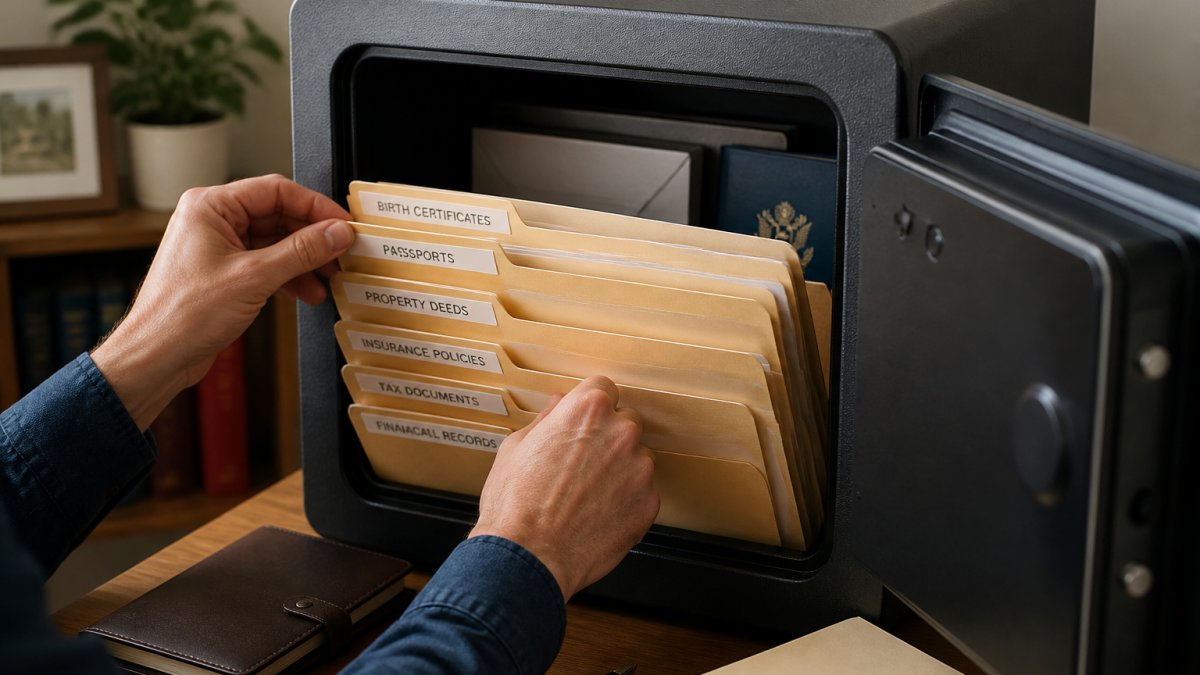
Fire Resistant vs. Fireproof: What's the Real Difference
The terms "fire resistant" and "fireproof" are often used interchangeably, but they mean very different things when it comes to protecting your valuables. Understanding this distinction is critical before investing in fire resistant durable storage containers.
A fire resistant durable storage container rated for 1 hour at 1,700°F will keep documents safe during that window. Beyond that, all bets are off. This is why the rating matters more than the marketing language.
The real value proposition: fire resistant durable storage containers buy you time. During a house fire, that 60-90 minute window often determines whether your documents, photos, and irreplaceable items survive or turn to ash.
UL-Rated Fireproof Safes for Home Document Protection
When shopping for fire resistant durable storage containers for your home, UL-rated safes represent the gold standard. UL (Underwriters Laboratories) certification means the container was independently tested and verified to protect contents under real fire conditions.
SentrySafe OS3470: Heavy-Duty Home Safe
The SentrySafe OS3470 is built for homeowners who need serious protection without industrial-scale overkill.
The interior capacity hits 1.2 cubic feet, enough for a substantial document collection, photos, small jewelry, and digital media.
The honest limitation: weight. This unit tips the scales at over 700 pounds. Installation requires planning.
Best for homeowners storing sensitive documents, family photos, and irreplaceable items who have a permanent location in mind. If you're renting or anticipate moving, this isn't your solution.
SentrySafe HD4100: Portable Fire-Resistant Box
The SentrySafe HD4100 flips the script. This portable fire-resistant durable storage container prioritizes mobility over maximum capacity.
At 0.65 cubic feet with a key lock and water-resistant seal, it handles birth certificates, passports, Social Security cards, and digital media.
The water-resistant seal is the differentiator here. Most compact fire-resistant containers focus on heat protection and ignore moisture. This one addresses both.
The tradeoff is capacity. You're not storing a full filing cabinet here.
How to Organize Important Documents in Fire-Resistant Storage
Buying a fire resistant durable storage container is only half the battle. Organization determines whether you can actually access what you need during a crisis.
Start by categorizing documents into three tiers: Tier 1 (Irreplaceable) includes birth certificates, marriage licenses, Social Security cards, property deeds, and wills.
Your fire resistant durable storage container should prioritize Tier 1 items first. If space is limited (as with compact models), Tier 1 gets the safe.
Use labeled folders or envelopes within the container. In a crisis, you won't have time to search. Clear labeling takes seconds to create and saves minutes during an evacuation.
| Document Type | Storage Location | Backup Method |
|---|---|---|
| Birth certificates, passports, deeds | Fire-resistant safe at home | Scanned copies in cloud storage |
| Insurance policies, mortgage docs | Fire-resistant safe or safe deposit box | Digital copies with agent/lender |
| Tax returns, bank statements | Regular filing system | Annual digital archive |
| Medical records | Fire-resistant container | Provider's patient portal |
Fireproof Storage Box Ratings Explained: EI60, ETL, and ATEX Standards
The alphabet soup of fire ratings confuses most shoppers. Here's what actually matters.
EI60 is a European fire-resistance rating indicating the container protects contents for 60 minutes when exposed to 1,832°F. The "E" means the exterior doesn't exceed safe limits, and the "I" means the interior temperature stays below the ignition point of paper (around 450°F). This is the standard used for industrial fire resistant durable storage containers and commercial applications.
ETL (Intertek Testing Laboratories) certification means the safe was independently tested to UL standards.
ATEX certification applies to equipment used in hazardous environments (chemical plants, refineries, mining operations). It verifies the container won't ignite explosive atmospheres. If you're storing flammable materials, ATEX compliance is non-negotiable.
The practical reality: for home use, look for ETL certification. For industrial applications, EI60 or ATEX depending on your hazardous material type.
Industrial and Commercial Fire-Resistant Storage Solutions
Home safes handle documents and small valuables. Industrial operations need fire resistant durable storage containers that protect large volumes of equipment, inventory, or hazardous materials.
MC Containers 10' Fire Insulated Storage
The MC Containers 10-foot modified shipping container represents the heavy-duty end of the spectrum.
The EI60 rating means 60 minutes of protection at extreme temperatures. ATEX-compliant equipment ensures the container itself won't become a hazard in explosive environments.
Capacity is the selling point. You're protecting large equipment, bulk inventory, or sensitive machinery. A 10-foot container holds what a dozen home safes couldn't.
The constraint: you need significant space. A 10-foot shipping container requires dedicated real estate on your property or facility. This is a permanent installation, not a portable solution.
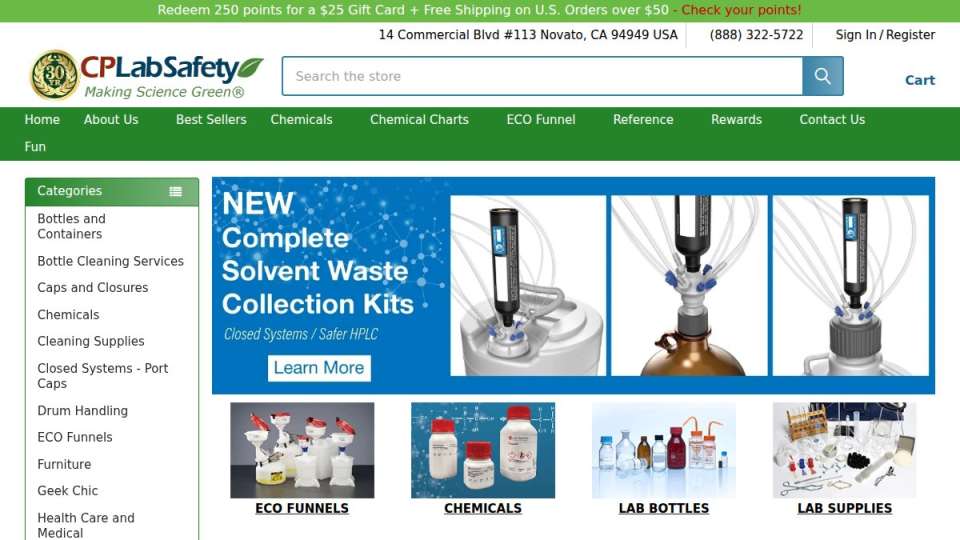
CP Lab Safety Hazmat Storage Building
For facilities storing hazardous chemicals, the CP Lab Safety 2-hour fire-rated building is engineered specifically for regulatory compliance. This outdoor storage locker handles 10-drum capacity and meets professional-grade fire safety standards.
The 2-hour fire resistance rating (versus 1 hour for most home safes) reflects the higher risk profile of hazardous materials. Flammable chemicals require longer protection windows.
The cost reflects the specialized engineering. This is a commercial solution, not a consumer product. But for facilities with legal obligations around hazardous material storage, it's the baseline standard.
Flexcon Fire Retardant Hopper Bins
Flexcon's fire retardant hopper bins serve industrial environments where bulk storage meets fire safety. The corrugated steel construction incorporates fire-retardant materials throughout, not just a coating, but integrated protection.
These bins are designed for high-density industrial storage of materials that require fire-safety compliance. The durable material withstands long-term use in warehouses, manufacturing facilities, and outdoor storage yards.
The minimum order requirement (500 units) reflects the industrial scale. This isn't a solution for a single facility, it's for operations managing large-scale inventory with fire-safety mandates.
Budget-Friendly Fire-Resistant Storage: Ammo Cans and Compact Options
Not every storage need justifies a $500+ safe. For small, essential items, military-surplus ammo cans offer surprising value.
The 50-caliber steel ammo can provides heavy-gauge steel construction, a rubber gasket seal, and a lockable latch, all for under $25. Water and dust resistance comes standard.
The honest assessment: ammo cans aren't fire-rated in the technical sense. They won't survive a house fire like a UL-certified safe. But they offer durability, portability, and water protection at a price point accessible to anyone.
Pair an ammo can with digital backups in cloud storage, and you've got reasonable protection for under $50 total. It's not industrial-grade fire resistant durable storage, but it's functional.
How Long Fire-Resistant Containers Protect Your Valuables
The protection window matters more than the marketing claims.
Real fires vary. A small kitchen fire suppressed quickly lasts minutes. A structural fire in a multi-story building can burn for hours.
After the fire, the secondary hazard is water damage. Firefighting water can destroy documents, electronics, and photos as thoroughly as flames. Fire-resistant containers with waterproof seals address this.
Post-fire recovery is where organization matters. If your documents are sorted and labeled, you can assess damage quickly and contact insurance adjusters with proof of loss.
Water Damage Protection: Fire-Resistant Plus Waterproof Seals
Fire-resistant durable storage containers that ignore water protection miss half the problem. Firefighting water causes as much destruction as flames.
Modern safes address this with waterproof gasket seals around doors and lids.
Test the seal yourself before relying on it.
For additional protection, store documents in waterproof bags or plastic sleeves inside the fire-resistant container.
The trade-off: sealed containers can trap moisture if water does enter. Ventilation holes would compromise the seal, so many designs sacrifice airflow for protection.
| Protection Layer | Function | Trade-off |
|---|---|---|
| Waterproof gasket seal | Prevents water ingress during suppression | Reduces airflow; requires post-fire ventilation |
| Fire-resistant material | Slows heat transfer; protects for rated duration | Heavy; limits portability |
| Internal waterproof bags | Secondary moisture barrier | Adds cost; reduces usable capacity |
| Document organization | Enables quick assessment and recovery | Requires upfront effort |
Protecting your valuables from fire isn't just about buying the right container, it's about choosing one that matches your actual needs and using it correctly. At Viva homeStore, we understand that home organization extends beyond day-to-day tidiness to protecting what matters most. Whether you're storing essential documents or preparing for the unexpected, the right fire resistant durable storage solution saves time, reduces stress, and preserves irreplaceable memories. Shop now and secure your peace of mind with storage that actually works when it counts.
Frequently Asked Questions
What is the difference between fireproof and fire resistant storage containers?
Fireproof containers are designed to withstand extreme heat and prevent contents from igniting, while fire resistant containers slow heat transfer to protect contents temporarily. Fire resistant storage containers typically maintain internal temperatures below 350°F during a fire, protecting documents and valuables. Most home safes are fire resistant rather than truly fireproof. The distinction matters: fireproof offers absolute protection, while fire resistant provides a survival window measured in hours.
How long can fire resistant containers protect documents during a house fire?
Fire resistant containers are rated by exposure duration, typically 1 hour or 2 hours. A 1-hour ETL-verified safe protects contents if a fire is extinguished within that timeframe. Most residential fires are controlled within 30-60 minutes by firefighters. A 2-hour rated container provides additional margin. However, protection depends on the fire's intensity and location of the container. Place fire resistant storage away from the fire's likely origin point for maximum survival time.
What should I look for when buying a fire resistant storage box?
Check for third-party certifications like ETL verification, UL ratings, or ATEX compliance, these confirm fire resistance claims. Verify the internal capacity meets your storage needs (measure in cubic feet). Examine the locking mechanism for security and ease of use. Look for waterproof seals to protect against both fire and water damage from firefighting efforts. Consider weight and portability if you may need to move it. Finally, confirm the fire rating duration (1-hour or 2-hour) matches your risk assessment.
Do fire resistant containers also protect against water damage?
Many fire resistant storage containers include waterproof seals, but not all. Containers with rubber gaskets and sealed construction protect documents from water damage caused by firefighting efforts or flooding. Water damage often destroys documents that survive fire, making waterproof capability essential. When selecting a fire resistant box, confirm it explicitly includes water-resistant sealing. Check product specifications for waterproof ratings separate from fire ratings, you need both protections for complete document preservation.