

How to Start Meal Prepping for One Person
Table of Contents
- Why Meal Prepping for One Person Works Differently
- Step 1: Plan Your Meals and Build Your Shopping List
- Step 2: Stock Pantry Staples and Choose Versatile Proteins
- Step 3: Invest in the Best Meal Prep Containers for One Person
- How to Store Meal Prep to Keep Food Fresh
- How to Avoid Food Waste When Cooking for One
- Common Mistakes to Avoid When Starting Out
- Frequently Asked Questions
Last Updated: August 31, 2026
Why Meal Prepping for One Person Works Differently
Cooking for yourself requires a different approach than preparing meals for families. Most meal prep guides assume you're feeding four or more people, leaving solo cooks with food waste, boredom, and oversized containers. Solo cooks often face specific challenges: portion control without excess, variety without repetition, and storage solutions that fit apartment-sized refrigerators.
Batch cooking a single recipe in bulk works for families but creates monotony for one person. Eating the same chicken and rice five days straight can lead people to quit meal prepping. Component prep, cooking individual proteins, grains, and vegetables separately, gives you flexibility to mix and match throughout the week, preventing boredom while maintaining time-saving benefits.
Food waste becomes a real concern when cooking solo. A head of lettuce can wilt before you use half of it. Strategic meal prepping means understanding what keeps, what spoils quickly, and how to portion ingredients so nothing goes to waste. Beyond saving money, it respects the effort you put into cooking.
Meal prepping gives you control over nutrition, saves time on cooking decisions and cleanup, and ensures you eat actual meals instead of defaulting to takeout. It's an investment in your own wellbeing that pays dividends daily.
Step 1: Plan Your Meals and Build Your Shopping List
Start with a realistic assessment of how many days you actually need to prep for. If you eat out once or twice weekly, prep for four or five days instead of seven. This prevents food from spoiling and keeps meals fresh.
Choose five to seven simple meals you genuinely enjoy eating. Not meals you think you "should" eat, but meals you actually want multiple times per week. If you hate quinoa, don't prep quinoa bowls. If you love tacos, build your plan around that. A simple chicken breast with roasted vegetables and rice is perfectly adequate.
Write your meals down and build your shopping list directly from this plan. Shop by meal, not by category. If you need chicken for two meals, buy enough chicken. This ensures you buy exactly what you need and waste less food.
Choose a Prep Strategy: Batch Cooking vs. Component Prep
Batch cooking means preparing entire meals in advance. You cook a full pot of chicken with sauce, roasted vegetables, and rice, then portion everything into containers. This is fastest on prep day (60-90 minutes) but can create monotony, eating identical meals daily can lead people to abandon meal prepping within weeks.
Component prep means cooking each element separately: roasted chicken breasts, broccoli, sweet potatoes, and rice stored separately. You assemble different combinations throughout the week. Monday might be chicken with broccoli and rice; Tuesday, chicken with sweet potato and rice. This takes slightly longer (90-120 minutes) but prevents boredom and provides flexibility.
For meal prepping for one person, component prep is almost always better. It prevents boredom, gives flexibility when plans change, and lets you use ingredients in multiple ways.
Step 2: Stock Pantry Staples and Choose Versatile Proteins
Your pantry should contain shelf-stable ingredients: rice, pasta, oats, canned beans, canned tomatoes, olive oil, salt, pepper, garlic powder, and basic spices. These form the backbone of efficient meal prepping.
Frozen vegetables are underrated. Fresh produce spoils quickly when cooking solo. Frozen broccoli, spinach, peas, and mixed vegetables last months and are nutritionally equivalent to fresh. Buy frozen first, fresh second.
Versatile proteins are critical. Chicken breast is affordable and neutral. Ground turkey is equally versatile and leaner. Eggs are cheap and flexible. Canned tuna and salmon require minimal prep. Choose proteins you enjoy that work across multiple meal types.
Buy proteins in quantities that match your consumption. A package of four chicken breasts is reasonable; a bulk box of 20 will spoil. When you find good deals, buy extra and freeze immediately.
Step 3: Invest in the Best Meal Prep Containers for One Person
The right containers transform meal prepping from a chore into something manageable. You need containers that fit your refrigerator, don't leak, and last years. Viva homeStore carries meal prep solutions designed for efficient storage in smaller spaces.
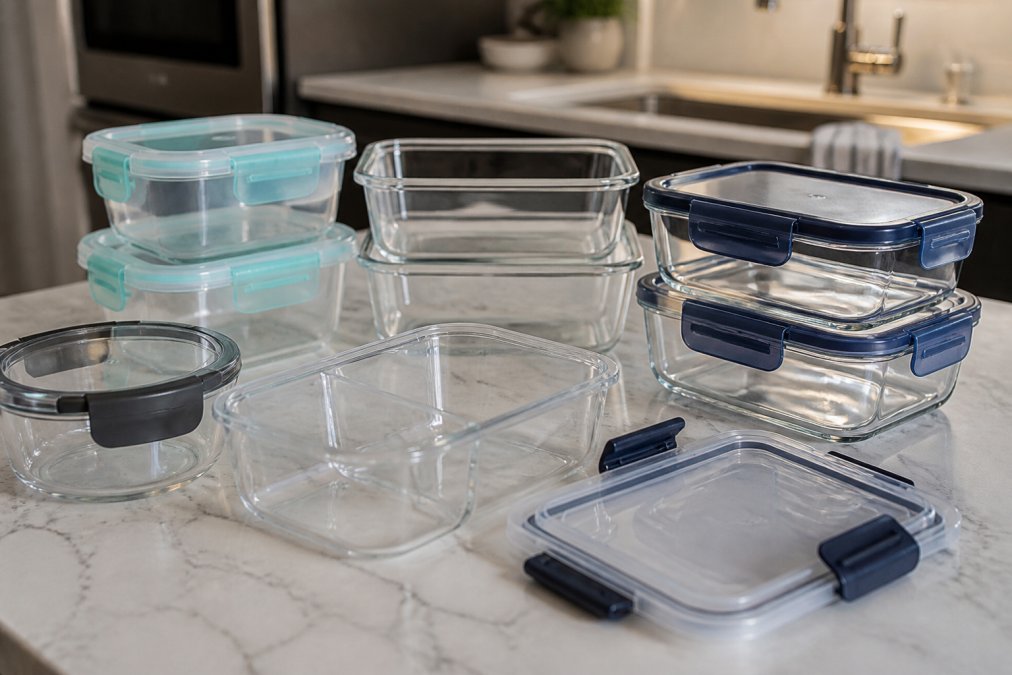
Glass containers are often considered the gold standard. They don't absorb odors or stains, microwave safely, and can last indefinitely. Look for secure lids, leaking is a common frustration that can lead to abandoning meal prepping. A set of four to six medium-sized containers (32-40 ounces each) can be ideal for one person, providing enough for a three-to-five-day rotation without requiring an entire refrigerator shelf.
Compartmentalized containers keep components separate but take more space and can be harder to clean. For solo cooking, simple rectangular containers often work better.
Freezer-safe containers matter if you're freezing portions. Look for containers specifically labeled freezer-safe. Glass works well, but quality plastic designed for freezing is acceptable. Label everything with the date and contents.
For one person, 32-40 ounce containers are usually perfect. They hold a reasonable meal portion, fit standard refrigerator shelves, and stack efficiently.
How to Store Meal Prep to Keep Food Fresh
Proper storage determines whether meal prep stays fresh or spoils. Your refrigerator should be at 40°F or below (the FDA). Check temperature with an inexpensive thermometer and adjust settings if needed.
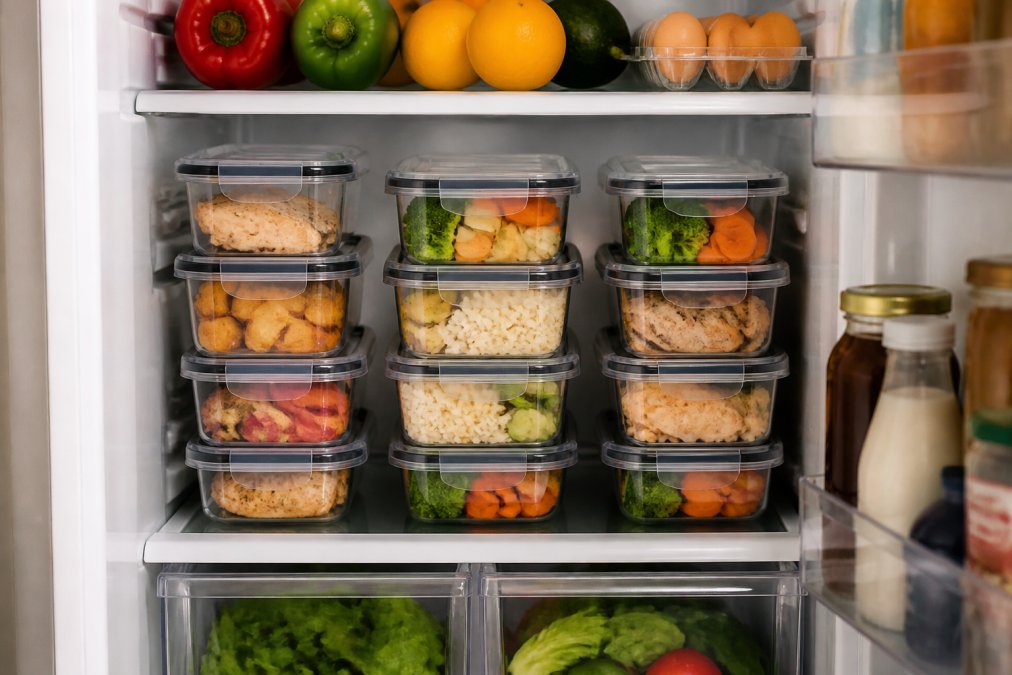
Store cooked proteins on the top shelf or coldest part of your refrigerator. Raw or cooked vegetables go below to prevent dripping contamination. Use the door for condiments and shelf-stable items, not proteins or vegetables, the door is warmest.
Label everything with the date you prepared it. This takes 10 seconds per container and prevents guessing whether food is safe. Most cooked proteins last three to four days (the FDA). Cooked vegetables last four to five days. Grains last five to six days.
Food Safety and Reheating Instructions
Let cooked food cool to room temperature before refrigerating (the CDC). Putting hot food directly in the refrigerator raises surrounding temperatures and promotes bacterial growth. Cool for 30-60 minutes on the counter, or use an ice bath for faster cooling.
Microwave reheating is fastest but can create hot spots. Stir halfway through to distribute heat evenly. Stovetop reheating gives more control and better texture. Use low heat for proteins to avoid drying them out.
Soups, stews, and saucy dishes freeze well. Grains freeze adequately. Roasted vegetables can freeze but texture changes. Raw vegetables don't freeze well. Freeze components separately so you can thaw and use them independently.
How to Avoid Food Waste When Cooking for One
The biggest waste happens at the grocery store. Only buy what you'll use in planned meals. If your meal plan doesn't include spinach, don't buy it "just in case."
Frozen and shelf-stable ingredients are waste-reduction tools. Frozen vegetables last months. Canned beans last years. Dried pasta lasts indefinitely. When buying fresh produce, purchase only what appears in your actual meal plan.
Repurpose leftovers to extend ingredients. Use extra roasted chicken in salads or sandwiches. Use extra rice for fried rice or soup. Roast vegetables approaching the end of their life rather than throwing them away.
Use your freezer strategically. If you won't eat something before it spoils, freeze it. Label everything with the date so you actually use frozen items.
Buy proteins in quantities matching your consumption. If you eat chicken twice weekly, buy enough for two meals, not seven.
Common Mistakes to Avoid When Starting Out
The biggest mistake is prepping too much too soon. You spend four hours Sunday preparing seven days of food, then by Wednesday you're tired of the same meals and remaining food spoils. Start smaller, prep for three days your first week, then five days the next week.
Choosing meals you don't enjoy is the second biggest mistake. You prep healthy salads or plain chicken and broccoli you hate, then quit meal prepping. Instead, prep meals you genuinely want to eat. Consistency matters more than perfection.
Underestimating container space is common. Measure your refrigerator before investing in containers. Know exactly how many will fit. Viva homeStore's compact solutions are designed for smaller refrigerators and apartment kitchens.
Forgetting to label containers leads to mystery food. Label immediately after cooking, it takes 30 seconds and prevents waste.
Cheap plastic containers can warp and crack within months. Quality containers often cost more upfront but can last years. Viva homeStore offers durable glass containers.
Neglecting to use what you prepped defeats the purpose. This happens when you haven't built enough variety into your prep. Use component prep instead of batch cooking and mix and match throughout the week.
Meal prepping for one person is fundamentally about respecting your own time and nutrition. It's not about restriction or eating the same thing every day. It's about spending a few hours once per week so you have control over your meals, consistent nutrition, and freedom from daily cooking decisions. Viva homeStore provides the containers and storage solutions that make this sustainable. Start with a simple plan, invest in containers that fit your space, and adjust based on what works for you. By week three, it becomes routine.
Frequently Asked Questions
How to meal prep for 1 person without eating the same thing every day?
Use component prep instead of cooking complete meals. Prepare 2-3 proteins, 3-4 vegetables, and 2-3 grains separately. Mix and match combinations throughout the week to create variety. For example, grilled chicken can become a stir-fry Monday, a grain bowl Wednesday, and a wrap Thursday. This approach reduces boredom while maintaining the efficiency of meal prepping for one person.
What are the best containers for single-serving meal prep?
Glass containers with airtight locking lids are ideal because they're durable, microwave-safe, and prevent odors. Compartmentalized containers help keep ingredients separate and prevent soggy food. Aim for 2-4 cup capacity to match single servings. Avoid thin plastic containers that crack easily; invest in quality storage that lasts years. Viva homeStore offers practical container solutions designed for efficient kitchen organization.
How do you store meal prep to keep it fresh for the whole week?
Proper meal prep storage starts with airtight containers placed on the coldest shelf of your refrigerator, usually the back of the bottom shelf where temperatures stay between 35-40°F. Store raw ingredients separately from cooked meals, and use containers within 3-4 days for optimal freshness. Label each container with the date prepared. Freeze portions you won't eat within 4 days in freezer-friendly containers. Keep pantry staples like grains and shelf-stable proteins in a cool, dry place away from direct sunlight.
What is the 3-3-3 rule for meal prep?
The 3-3-3 rule is a simple meal prepping for one person strategy: prepare 3 proteins, 3 vegetables, and 3 carbohydrates or grains during your prep session. This gives you many possible combinations throughout the week, preventing boredom while maintaining efficiency. You can eat the same base ingredients in different ways, roasted chicken becomes a salad, a grain bowl, and a stir-fry, maximizing versatility and reducing waste.
This article was written using GrandRanker