

Tips for Buying Furniture Online Safely
Table of Contents
- Why Buying Furniture Online Safely Matters
- How to Spot Fake Furniture Websites
- How to Measure Space for Furniture Before You Buy
- Verify Product Quality and Read Reviews Carefully
- Furniture Return Policy Best Practices to Protect Yourself
- Secure Your Payment Information During Checkout
- Inspect Your Furniture After Delivery
- Conclusion
Last Updated: August 11, 2026
Why Buying Furniture Online Safely Matters
Ordering furniture without seeing it in person carries real risks: you can't touch the fabric, test stability, or confirm dimensions match your space. Yet millions buy furniture online successfully by following critical safety practices. This guide covers eight essential steps to protect yourself when buying furniture online safely, from spotting fraudulent websites to inspecting delivery.
At Viva homeStore, we understand the appeal: convenience, selection, and better pricing than brick-and-mortar stores. But that convenience requires responsibility. A single bad purchase, from a fake website, misunderstood return policy, or undetected shipping damage, can waste hundreds of dollars. The good news: buying furniture online safely is entirely manageable once you know what to watch for. 🛋️
How to Spot Fake Furniture Websites
Fraudulent furniture websites look professional, which is precisely the problem. Learning how to spot fake furniture websites protects your payment information and prevents wasted money on orders that never arrive.
Start with the domain name. Legitimate retailers own straightforward URLs matching their brand; scam sites use slight variations like "furniturezone-store.com" instead of "furniturezonestores.com." Check the "About Us" page for verifiable details: physical address, phone number, and company history. Scammers provide vague information or no contact details.
Look for secure checkout indicators. Confirm the checkout page uses HTTPS encryption (lock icon in your browser's address bar). Verify the website displays trust badges from recognized security providers like Norton, McAfee, or Trustmark, with links to verification pages.
Check customer reviews on independent platforms like Google, Trustpilot, or Consumer Reports rather than relying solely on the company's own website. Dozens of complaints about non-delivery or damaged items with no company response is a major red flag. Legitimate retailers actively respond to negative feedback.
Finally, avoid websites offering deals that seem too good to be true. A luxury sofa at 70% off should trigger skepticism. Compare pricing across several reputable retailers to understand what's reasonable.
How to Measure Space for Furniture Before You Buy
Ordering the wrong size is one of the most common furniture purchase mistakes. Proper measurement prevents costly errors.
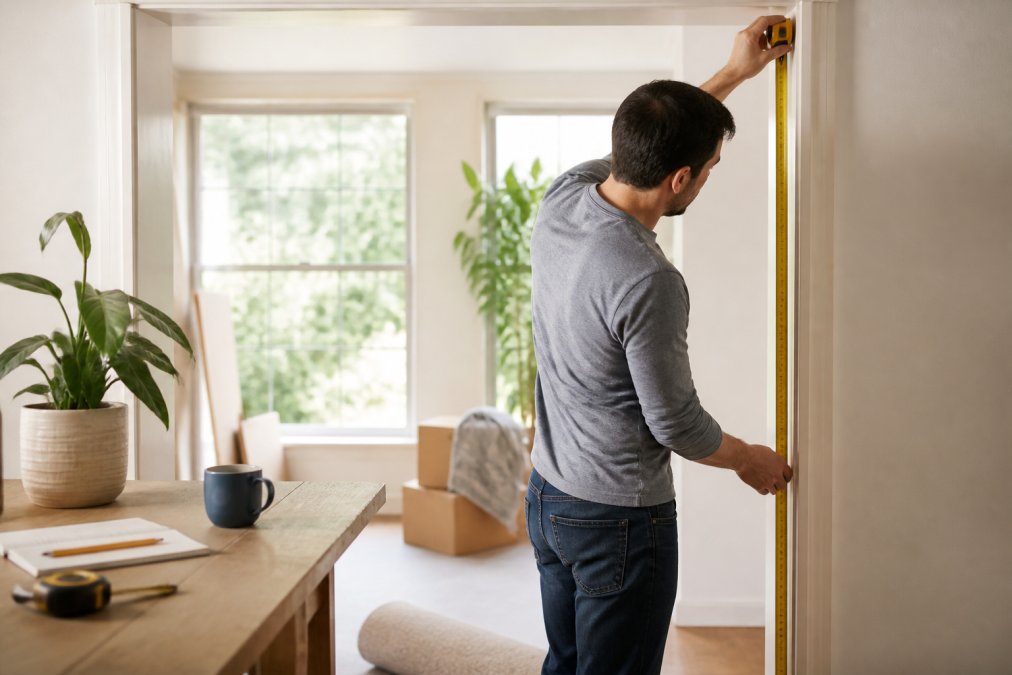
Start by measuring your room dimensions with a metal tape measure. Record length, width, and ceiling height wall-to-wall, accounting for columns, fireplaces, or built-in shelving. Next, measure doorway clearance, this step is critical and often overlooked. Measure doorway height and width where furniture must pass, accounting for door frames, baseboards, and trim. If moving furniture up stairs or through hallways, measure those passages too.
Check the furniture's product specifications carefully and compare dimensions directly to your measurements. For sofas and sectionals, verify overall length, depth, and armrest/backrest height.
Consider scale and proportion within your space. Use painter's tape to outline the furniture's footprint on your floor before ordering. Photograph your space from multiple angles and note obstacles like radiators, outlets, or windows. When contacting customer support, these photos help them provide accurate guidance. Many retailers offer design consultation services to help you visualize furniture before purchase.
Verify Product Quality and Read Reviews Carefully
Online reviews are your closest substitute for handling furniture in person. Learning how to read reviews critically helps you assess whether a specific piece will meet your needs.
Filter reviews by rating and read across the spectrum: five-star, three-star, and one-star reviews. Three-star reviews frequently contain the most balanced, useful information. Look for reviews mentioning specific details: fabric durability after months, whether the piece arrived damaged, assembly difficulty, performance with kids or pets.
Pay attention to review dates. Recent reviews (within six months) reflect the current product version. Check the review count, 200 reviews is more reliable than five. Identify patterns in feedback: if five reviewers mention the fabric pills easily, that's a genuine concern.
Verify reviewer credibility by checking whether they've reviewed other products. Fake reviews often come from accounts with only one review ever posted. Some platforms show a "Verified Purchase" badge, indicating the reviewer actually bought the item.
Be skeptical of suspiciously perfect reviews using phrases like "This product changed my life" without specific details. Genuine customers describe actual experiences: "The gray fabric matches my walls perfectly, and after eight months it still looks new despite daily use from two dogs."
Furniture Return Policy Best Practices to Protect Yourself
Understanding a retailer's return policy before you buy is essential. A generous return policy gives you recourse if the furniture doesn't work out; a restrictive one leaves you stuck.
Read the complete return policy before completing your purchase. Key details to verify: the return window (30, 60, or more days), whether the item must be unused and in original packaging, who pays return shipping, and whether restocking fees apply. Some retailers charge 15-20% restocking fees, which significantly reduces your refund.
Check whether the policy covers delivery damage. Many retailers distinguish between damage caused by the shipping carrier and manufacturing defects. Clarify this before ordering.
Understand the return shipping process. Will the retailer arrange pickup, or must you pay to ship the item back? For large furniture, return shipping can cost $100-200, making a return impractical unless the retailer covers shipping.
Document everything: order confirmation, receipt, product specifications, and email correspondence. Take photos of the furniture as soon as it arrives, showing condition before use. If damage exists, photograph it immediately and report it to the retailer within their required timeframe.
Secure Your Payment Information During Checkout
Protecting your payment information is non-negotiable when buying furniture online safely. A few precautions minimize fraud risk.
Only use secure payment methods. Credit cards offer fraud protection; if unauthorized charges appear, you can dispute them. Debit cards provide less protection. Avoid payment methods that can't be reversed, like wire transfers or cryptocurrency.
Verify the checkout page is secure before entering payment information. Look for the padlock icon in your browser's address bar and confirm the URL begins with "https://". Never enter payment information on an unsecured page.
Consider using a virtual card number if your bank offers this service. Virtual card numbers are temporary, unique numbers linked to your account that work for a single transaction. If a retailer's system is compromised, the virtual number can't be reused.
Avoid using public WiFi when making online purchases. Public networks lack encryption, making it easier for hackers to intercept payment information. Wait until you're on a secure, password-protected network at home.
Check your payment method's statement frequently after purchase. Review charges within a few days to catch unauthorized transactions quickly. Enable fraud alerts so you're informed of suspicious activity immediately.
Inspect Your Furniture After Delivery
The moment your furniture arrives is critical. Inspecting it immediately protects you by documenting any damage before you sign off on delivery.
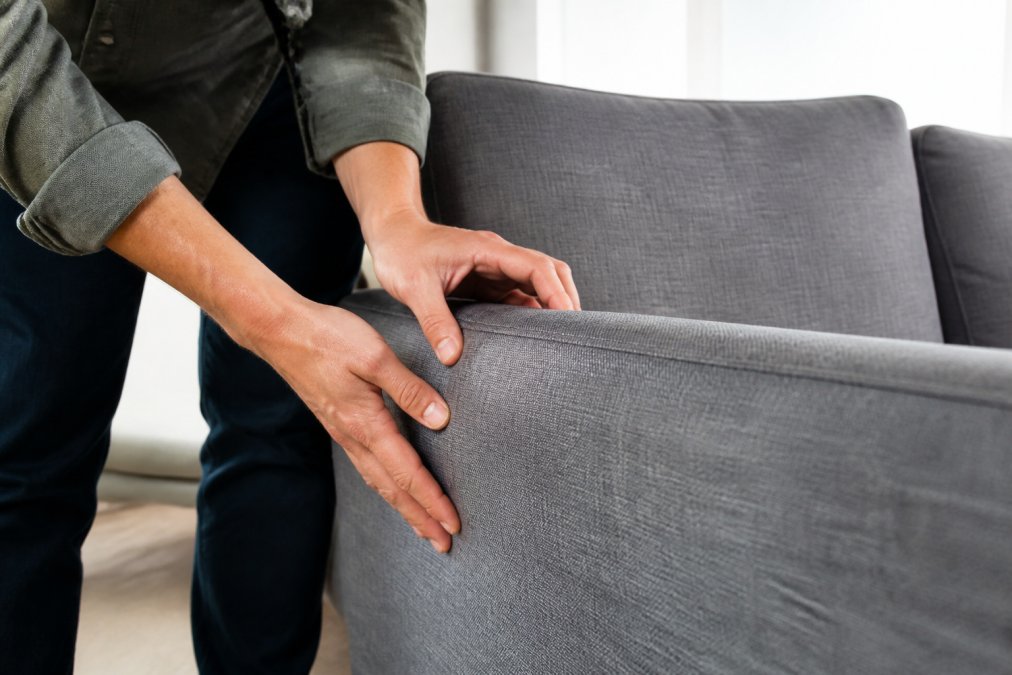
Before the delivery driver leaves, do a visual inspection. Check for obvious damage: torn fabric, broken legs, dents, or scratches. Open drawers and doors to confirm they operate smoothly. If damage is visible, refuse delivery or note it on the delivery receipt before signing. Taking a photo with the driver present creates documentation.
Once accepted, do a thorough inspection within 24 hours. Examine the entire piece: flip cushions, check underneath, inspect all seams and joints. Look for manufacturing defects like unraveling threads, misaligned fabric patterns, or loose hardware. Test all moving parts: recliners should recline smoothly, drawers should slide without resistance.
Verify the furniture matches product specifications. Confirm the color matches what you ordered. Check the material: if you ordered genuine leather, it should feel and look like leather, not vinyl. Inspect upholstery for quality issues: pilling, loose seams, or uneven stitching.
Document everything with photos and video. Record the condition, highlighting any damage or defects. This documentation supports your case if you need a replacement or refund. Note the date and time of inspection.
Report any damage or defects to the retailer immediately. Most retailers have specific timeframes (typically 7-14 days) within which you must report damage to qualify for a replacement or refund. Provide the retailer with photos, your order number, and a clear description of the issue.
Conclusion
Buying furniture online safely requires attention at every stage: verifying the retailer's legitimacy, measuring your space accurately, reading reviews critically, understanding return policies, protecting your payment information, and inspecting your delivery thoroughly. These practices eliminate most common risks and give you confidence in your purchase.
When you're ready to shop, Viva homeStore offers a curated selection of practical home essentials with transparent policies on returns, shipping, and product quality. Our team is committed to helping you find furniture that works for your space and lifestyle. Shop now and experience the difference a reliable, customer-focused retailer makes.
Frequently Asked Questions
How can I tell if an online furniture store is legitimate?
Check for secure payment options (look for HTTPS in the URL and a padlock icon), read customer reviews on independent sites, verify the company's physical address and contact information, and confirm the seller has clear return and warranty policies. Legitimate retailers display trust badges, offer multiple ways to contact customer support, and have transparent shipping and restocking fee information.
What should I look for in furniture return policies?
Review the return window (aim for at least 30 days), check if the seller covers return shipping or if you pay, understand restocking fees and whether they apply to all items, and verify the condition requirements for returns. Best practices include policies that allow returns for fit, quality, or damage issues without excessive penalties. Always read the fine print about assembly and whether assembled furniture can be returned.
How do I protect my payment information when buying furniture online?
Use secure checkout pages (verify HTTPS and padlock icon), avoid saving payment details on your browser, use credit cards rather than debit cards for fraud protection, and enable two-factor authentication on your account if available. Never shop on public WiFi without a VPN, and check your bank statements regularly for unauthorized charges after delivery.
What red flags should I watch for when shopping for furniture online?
Be cautious of prices significantly lower than competitors, sellers without clear contact information or physical addresses, poor-quality product photos or missing dimensions, no customer reviews or only fake-looking reviews, and unclear shipping costs. Avoid sites with spelling errors, unencrypted checkout pages, or sellers who pressure you to pay via wire transfer or gift cards instead of secure payment methods.
This article was written using GrandRanker