

Tips for Buying Home Decor Online Safely
Table of Contents
- Verify the Retailer's Legitimacy Before You Buy
- How to Measure Furniture for Online Orders
- Secure Payment Methods for Online Shopping
- Evaluate Product Details and Customer Reviews
- Best Practices for Online Furniture Returns
- Protect Yourself from Shipping Damage and Fraud
- Build Confidence in Your Online Home Decor Purchases
Last Updated: August 16, 2026
Verify the Retailer's Legitimacy Before You Buy
Before committing to an online purchase, confirm you're shopping with a legitimate retailer. Fraudulent websites mimic trusted brands with professional-looking storefronts. Spending five minutes verifying legitimacy can save hundreds of dollars and protect your payment information.
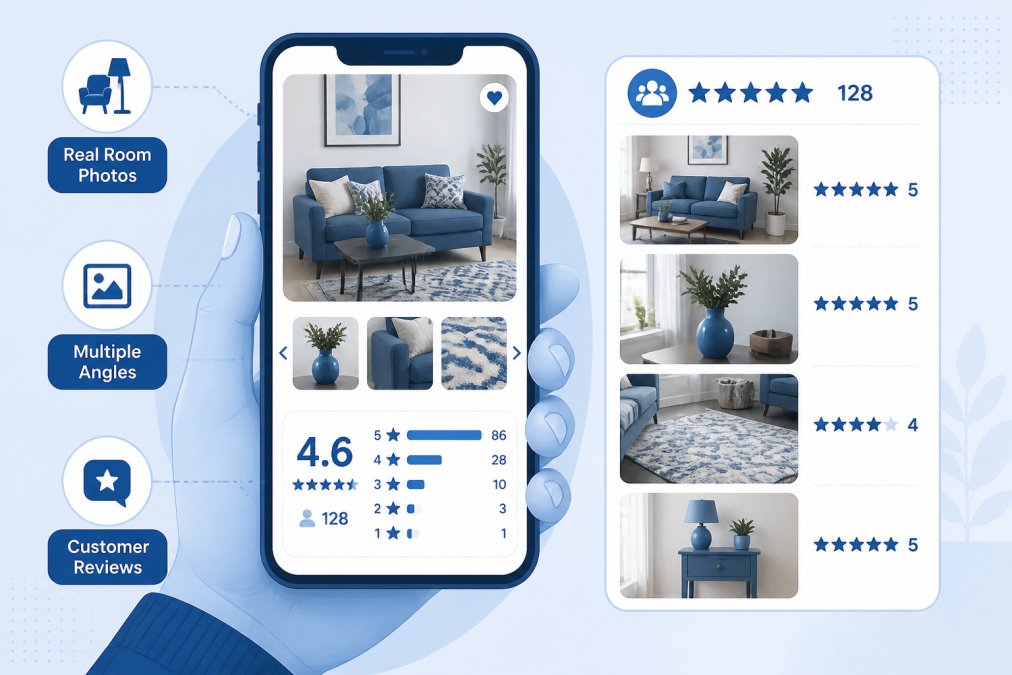
Check the domain name carefully, scammers register URLs nearly identical to legitimate sites with slight variations. Type the URL directly into your browser rather than clicking email or ad links. Look for the padlock icon and ensure the URL begins with "https://", indicating a secure SSL connection that protects customer data.
Research the company's background by visiting their "About Us" page for founding year, location, physical address, and phone number. Cross-reference this information independently. Check for active social media presence with genuine customer interactions. No social media, no reviews anywhere, or recently created accounts raise red flags.
Look for third-party verification badges like Better Business Bureau (BBB), Norton Secured, and McAfee Secure. Click badges to verify authenticity, legitimate badges link to the certification organization's website. Scammers sometimes display fake badges.
Read customer reviews on independent platforms like Google Reviews and Trustpilot. Be cautious of retailers with zero reviews or only five-star reviews with generic language. Look specifically for reviews mentioning shipping times, product quality, and customer service responsiveness. Many similar complaints about damaged items, delays, or poor support suggest systemic problems.
How to Measure Furniture for Online Orders
Ordering furniture sight unseen requires precise measurements. Furniture that looks perfect in photos may be completely wrong for your space if dimensions don't match.
Use a metal tape measure for precision. Measure the height, width, and depth of the area where furniture will go, including ceiling height for tall pieces. Measure doorways, hallways, and stairwells the furniture must pass through, crucial information many buyers overlook. A beautiful piece is worthless if it can't physically enter your home.
Write down all measurements in inches and create a simple sketch of your room showing furniture placement, windows, doors, radiators, and electrical outlets. This sketch becomes your reference when evaluating product specifications online.
Check the retailer's product specifications carefully for exact height, width, and depth measurements. Some retailers also provide weight information, which matters for wall-mounted pieces or weight restrictions. Compare specifications against your room measurements. If a sofa is 84 inches wide and your wall space is 80 inches, that sofa won't work.
Request material swatches before committing to large purchases. Home lighting differs dramatically from studio photography lighting used in product images. A fabric that looks navy blue in photos might appear black or purple in your home.
Check product descriptions for assembly information and time estimates. If you're not handy or lack proper tools, factor in assembly costs or time when buying home decor online safely.
Secure Payment Methods for Online Shopping
Your payment method directly impacts your financial security when buying home decor online safely. Different payment methods offer varying levels of fraud protection and dispute resolution.
Credit cards provide strong fraud protection under federal law. The Fair Credit Billing Act limits your liability to $50 if fraudulent charges occur, and many card issuers waive even this amount. Credit cards allow you to dispute charges if you don't receive items or if items don't match descriptions. Monitor your statements closely and report suspicious activity immediately.
Digital wallets like Apple Pay, Google Pay, and PayPal add extra security layers. These services don't share your full card information with the retailer, they use tokenization to protect your data. Your actual card number never reaches the merchant's server. PayPal specifically offers buyer protection covering unauthorized transactions and items not received.
Avoid wire transfers, money orders, and cryptocurrency for online purchases. These payment methods offer no fraud protection and no way to recover money if the transaction is fraudulent. Scammers specifically request these methods because they're irreversible.
Check the payment gateway security. Look for HTTPS in the URL and the padlock icon. Payment processing should be handled by recognized processors like Stripe, Square, PayPal, or your bank's payment system. These established processors have fraud detection systems monitoring for suspicious activity.
Avoid saving payment information on retailer websites unless you shop there regularly. Each saved payment method represents another opportunity for hackers if the retailer's database is breached. If you must save payment information, use a strong, unique password and enable two-factor authentication if available.
Evaluate Product Details and Customer Reviews
Understanding product materials and quality separates wise purchases from regrettable ones. Reading customer reviews with photos provides honest insight into whether products deliver on their promises.
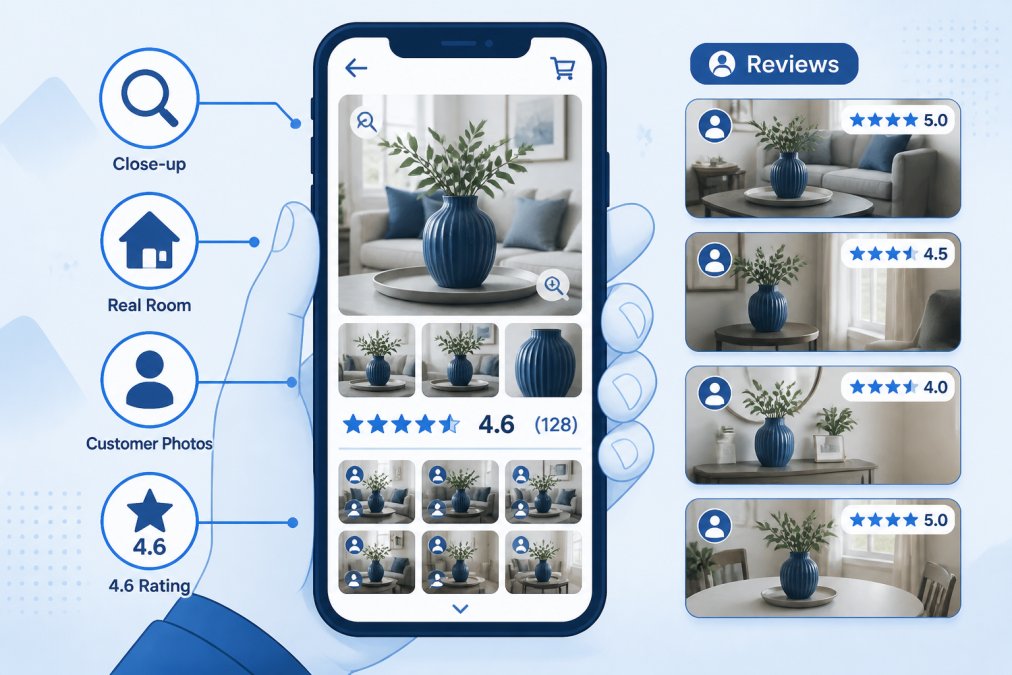
Check material composition thoroughly. "Genuine leather" differs significantly from "faux leather" and "bonded leather." Upholstered furniture should specify fabric content, polyester behaves differently than cotton or linen. Metal furniture might be stainless steel, powder-coated steel, or aluminum, each with different durability profiles. Wood furniture could be solid wood, veneer, or particleboard. These differences directly impact durability, maintenance, and longevity.
Read customer reviews specifically mentioning material quality and durability. Look for reviews from people who purchased months or years ago describing how items held up. Search reviews for common complaints about durability issues, staining, or material degradation.
User-generated content is invaluable when evaluating home decor online safely. Customers who post photos in actual homes show how items look in real lighting and spaces. These photos reveal color accuracy, scale relative to other furniture, and actual appearance versus product images. Customer photos show this reality better than professional photography.
Pay attention to reviews mentioning shipping damage. If multiple customers report receiving items with dents, scratches, or broken components, the retailer's packaging is inadequate. Check whether the retailer covers shipping damage or if you'll pay for return shipping and replacements.
Look for reviews from customers in similar situations to yours. Someone with a small apartment reviewing storage solutions provides more relevant information than someone with a large home. Reviews from people with pets or children mention durability under real-world conditions.
Best Practices for Online Furniture Returns
Return policies determine whether buying home decor online safely includes a financial safety net. Before completing your purchase, understand the retailer's return requirements, timeframes, and who pays for return shipping.
Examine the return policy before purchasing. Legitimate retailers clearly state return windows, typically 30, 60, or 90 days. They specify whether items must be unused or if they accept returns of used merchandise. Some retailers charge a restocking fee; others offer free returns. These policies vary dramatically between retailers.
Understand what "used" means in the retailer's policy. Some accept returns only if items remain in original packaging, unused. Others allow returns of assembled and used items in good condition. This distinction matters significantly if you want to test a chair in your home before committing.
Check who pays return shipping costs. This detail dramatically affects the true cost of returns. If you purchase a $200 item and dislike it, free returns save $15-30 in shipping. Factor return shipping costs into your decision when buying home decor online safely, especially for heavy furniture.
Document the condition of items when they arrive. Take photos and videos as you unbox items. This documentation protects you if you need to dispute a return claim. If the retailer claims you damaged the item, your photos prove the item's condition upon arrival.
Initiate returns promptly if an item doesn't work for your space. Don't wait until day 29 of a 30-day window. Contact customer support immediately, confirm the return process, and request a prepaid shipping label if available.
Protect Yourself from Shipping Damage and Fraud
Shipping damage and post-purchase fraud represent real risks when buying home decor online safely. Understanding how to prevent and address these issues protects your investment.
Inspect items immediately upon delivery. Open packages carefully and examine contents before signing. If items are visibly damaged, refuse delivery or note damage on the receipt. Take photos of damaged items in their packaging to prove damage occurred during shipping, not after.
Verify you received the correct items by checking the packing slip against your order confirmation. Confirm quantities, colors, sizes, and product names match. Online retailers occasionally make picking errors. Catching these immediately allows faster resolution.
Track your order through delivery using the tracking number provided. Knowing when to expect delivery allows you to be home to receive items. Many home decor items require signature confirmation.
Report fraud immediately if you notice unauthorized charges. Contact your bank or credit card issuer within 24 hours. Provide specific details about the charge and explain why it's fraudulent. Your financial institution will investigate and likely issue a chargeback.
Use secure payment methods that offer buyer protection. Credit cards and PayPal both provide protection if you don't receive items or receive items significantly different from descriptions. Document any issues with photos and keep all communications with the retailer.
Watch for phishing attempts. Retailers send legitimate order confirmations and shipping notifications, but scammers also send fake emails designed to look legitimate. These phishing emails often request you to "confirm your account information" or "verify your payment method." Legitimate retailers never request sensitive information via email. If you receive a suspicious email, go directly to the retailer's website by typing the URL yourself rather than clicking email links.
Build Confidence in Your Online Home Decor Purchases
Building confidence in online shopping comes from understanding the process, knowing your rights, and taking deliberate steps to protect yourself.
Start with lower-risk purchases. Your first online home decor purchases should be smaller items with lower price points. Throw pillows, wall art, and decorative accessories carry less financial risk than sofas or dining tables. These smaller purchases let you evaluate the retailer's quality, shipping practices, and customer service before investing in major furniture.
Keep detailed records of all purchases. Save order confirmations, shipping notifications, tracking numbers, and receipts. Create a spreadsheet tracking what you purchased, when, from which retailer, and the cost. This helps you track warranties and return windows.
Communicate with customer support proactively. If you have questions about product specifications, materials, or dimensions, email before purchasing. Legitimate retailers respond promptly and thoroughly. A retailer's pre-purchase customer service quality often predicts their service if problems arise.
Request product recommendations based on your needs. Many retailers employ home decor specialists who can suggest items matching your space, style, and budget. Their recommendations often result in more satisfying purchases than browsing independently.
Leave honest reviews after your purchase. Detailed reviews mentioning specific details, material quality, color accuracy, shipping speed, and customer service responsiveness provide value to future buyers. Your honest assessment helps others buy home decor online safely.
Join online communities focused on home decor and organization. Forums, social media groups, and subreddits connect you with experienced buyers who share recommendations, warn about problematic retailers, and celebrate successful purchases.
Buying home decor online safely requires attention to detail, but it opens access to products and styles unavailable locally. Viva homeStore specializes in curated home essentials designed to maximize space and enhance functionality, from practical storage solutions to lighting and furniture pieces that transform how families use their homes. Our selection focuses on items that solve real organizational challenges while maintaining aesthetic appeal. Start exploring Viva homeStore's collection of innovative home solutions today and create the organized, comfortable living space your family deserves.
Frequently Asked Questions
How can I verify if an online home decor store is legitimate?
Check for an HTTPS secure connection (padlock icon in the browser), read reviews on independent sites, verify contact information and a physical address, and look for clear return policies. Legitimate retailers display trust badges and customer testimonials with photos. Avoid sites with poor grammar, vague product descriptions, or pressure to buy immediately. Search the company name plus 'scam' or 'reviews' to uncover red flags.
What secure payment methods should I use when buying home decor online?
Use credit cards or digital wallets like PayPal, Apple Pay, or Google Pay for fraud protection. Credit cards offer chargeback rights under the Fair Credit Billing Act if items don't arrive or differ from descriptions. Avoid wire transfers or direct bank transfers, which offer no protection. Check that the checkout page uses HTTPS encryption. Never save payment information on unfamiliar sites, and use unique passwords for each retailer account.
What should I look for in a home decor website's return policy?
Look for a clear, easy-to-find return policy stating the return window (typically 30 days), restocking fees if any, and who pays return shipping. Verify whether the policy covers items damaged in shipping or those that don't match product photos. Check if returns are free or if you absorb costs. A transparent policy with specific instructions reduces disputes. Avoid retailers with vague policies or those requiring return authorization before shipping items back.
How do I know if home decor products will fit my space and match my aesthetic?
Request material swatches and samples before ordering large pieces to verify color accuracy and quality in your own lighting. Read customer reviews that include photos of products in real homes, not just studio shots. Use the product dimensions and scale and proportion guidelines to visualize fit. Measure your space in inches and compare to product specifications. Ask customer support questions about material durability, assembly requirements, and whether items are suitable for small spaces or high-traffic areas.
Are there red flags to watch for when buying home decor from social media ads?
Be cautious of ads with unrealistic pricing, limited-time pressure tactics, or celebrity endorsements that seem out of place. Verify the retailer has a real website with contact details and customer support, not just a social media profile. Check if the company has been in business for at least a year. Avoid ads with poor image quality or misleading before-and-after photos. Research the brand independently before clicking, scammers often use lookalike ads for established retailers.
What should I do if my home decor order arrives damaged or doesn't match the product photos?
Document the issue with clear photos and contact customer support within 48 hours of delivery. Keep original packaging as proof of shipping damage. Most retailers require photos before issuing refunds or replacements. If the retailer doesn't respond, file a dispute with your credit card company or digital wallet provider. Under consumer protection laws, you have the right to receive items as described. Keep all communication records and shipping receipts for dispute resolution.
How can I protect myself from digital security threats when shopping online?
Use strong, unique passwords for each retailer account and enable two-factor authentication where available. Shop only on secure websites (HTTPS), never from public WiFi without a VPN. Verify the sender's email address before clicking links, phishing emails mimic legitimate retailers. Avoid clicking links in emails; instead, go directly to the retailer's website. Monitor your credit card statements for unauthorized charges. Use a password manager to avoid reusing passwords across sites.
This article was written using GrandRanker