

Are Curated Home Goods Worth the Price in 2026
Table of Contents
- What Makes Curated Home Goods Different From Mass-Market Alternatives
- How to Identify Quality Home Furniture and Decor
- The Cost-Per-Use Argument: Why Price Point Matters
- Investment Pieces vs. Disposable Decor: Building Long-Term Value
- How to Build a Curated Home on a Budget
- Resale Value and the Real Return on Curated Home Goods
- Sustainable and Ethical Sourcing: What You're Actually Paying For
- Conclusion
Last Updated: August 21, 2026
What Makes Curated Home Goods Different From Mass-Market Alternatives
Mass-produced items are engineered for volume and the lowest price point, prioritizing affordability over quality. Curated home goods follow different logic: they're selected for craftsmanship, material quality, and longevity because they do something well.
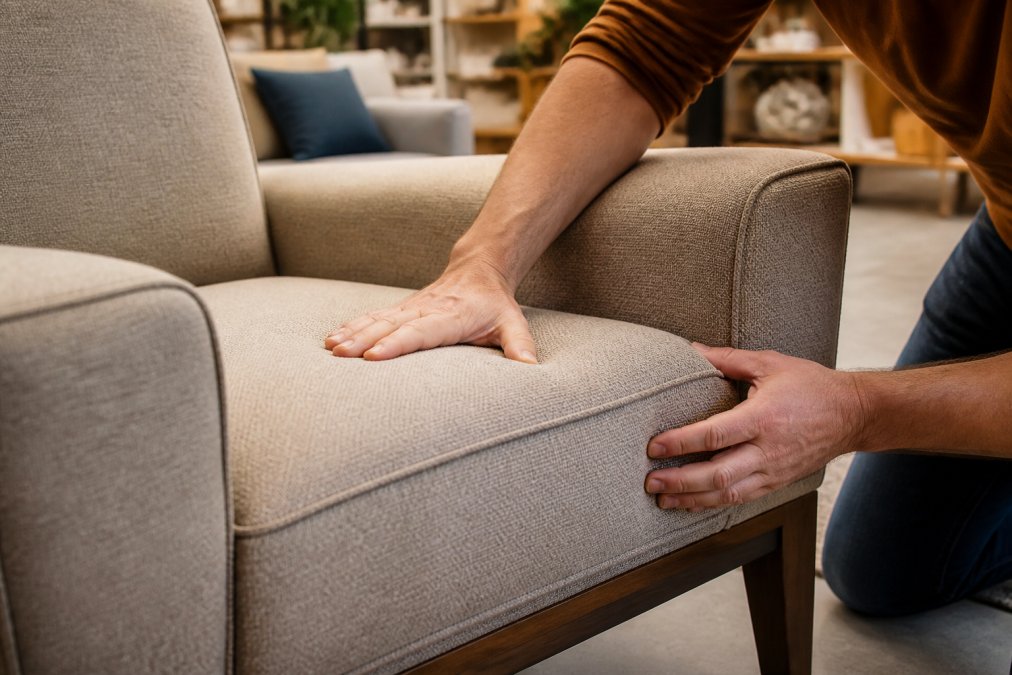
This distinction affects everything downstream: durability, how items age, resale value, and whether they actually solve your problem. Mass-market alternatives prioritize immediate affordability. Curated goods prioritize intentional design and durability.
At Viva homeStore, we focus on practical, innovative home essentials that solve real organizational and functional challenges, not trend-chasing pieces. The real question isn't whether curated goods are worth the price in abstract terms, but whether this specific piece, at this specific price, will solve your problem and last long enough to justify the investment.
How to Identify Quality Home Furniture and Decor
Quality is measurable, not subjective. You can learn what signals quality, and those signals are consistent across furniture, textiles, lighting, and accessories.
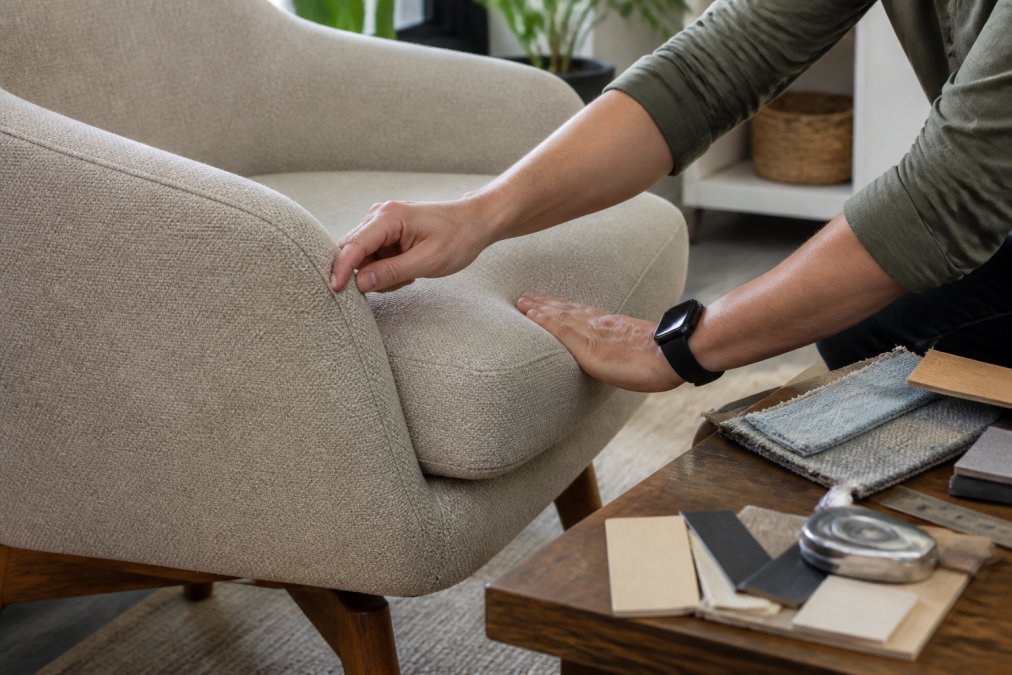
Material Quality and Construction
Quality home goods use materials chosen for durability and performance. Solid wood frames won't sag or swell with humidity and can be repaired if damaged; particleboard deteriorates and can't be fixed. Heavy linen curtains hang better and last longer than lightweight polyester blends. Wool area rugs hold up for decades; cheap synthetics flatten and pill within years (peer-reviewed research). Full-grain leather ages beautifully; bonded leather flakes and peels.
Construction methods reveal quality too. Hand-stitched seams on upholstered pieces are stronger and more repairable than machine-sewn ones. Dovetail joints on drawers won't separate under use; stapled joints fail. Mortise-and-tenon joinery on wooden furniture lasts generations.
If you can't identify the primary material or construction method from the product description, that's a red flag. Quality items are transparent about what they're made of and how they're built.
Craftsmanship and Design Integrity
Craftsmanship is visible in consistent finishes, precise joints, and thoughtful proportions. A well-made piece feels intentional; every element serves a function or aesthetic purpose.
Design integrity means the piece solves a real problem without unnecessary complexity. A chair that's beautiful but uncomfortable isn't well-designed. A storage solution with awkward compartments that don't match your needs looks curated but isn't functional. True quality marries form and function inseparably.
Artisan-made pieces often demonstrate this integrity because makers use the products themselves or have deep expertise. A furniture maker who builds custom pieces knows which proportions feel right in actual living spaces.
The Cost-Per-Use Argument: Why Price Point Matters
Calculate cost-per-use to evaluate whether something is "worth the price." A $400 sofa used for 15 years, eight hours daily, costs roughly $0.07 per use (the FTC). A $150 sofa replaced in three years costs about $0.14 per use, twice as much. The expensive sofa is actually cheaper.
A $80 set of kitchen storage containers used daily for five years costs less than a cent per use. A $25 decorative object you never touch costs infinitely more because cost-per-use is zero.
Be honest about how you'll actually use something. If you buy expensive cookware but eat takeout four nights a week, that calculation falls apart. If you invest in statement lighting for a room you're about to renovate, you're not making a rational decision.
Curated home goods often win on cost-per-use because they're built to last and designed to be used regularly. A $300 chair is a bargain if you sit in it 40 hours weekly for a decade. It's wasteful if it doesn't fit your space or you hate how it feels.
Investment Pieces vs. Disposable Decor: Building Long-Term Value
Not everything in your home needs to be an investment piece. Strategic curation means knowing which items to splurge on and which to buy affordably.
Investment pieces are items you'll use frequently, keep for years, and genuinely love: a primary sofa, your bed, dining chairs you use daily, kitchen storage, lighting in main living spaces. These deserve quality, durability, and timeless style, not trends.
Disposable decor serves a different purpose. Throw pillows, seasonal decorations, and small accessories can be budget-friendly because you'll rotate them out without guilt. The key is knowing which category something falls into before you buy.
Most shoppers treat investment pieces like disposable decor (buying cheap sofas that fall apart) or treat disposable items like investments (overpaying for trendy accessories). A curated home balances both strategically.
Timeless style matters for investment pieces because trends fade. A solid wood dining table in classic design works in 2026 and will work in 2036. A trendy geometric credenza will feel dated in three years. For long-term items, choose designs with staying power.
How to Build a Curated Home on a Budget
Building a curated home requires strategy, not unlimited budget. The most curated spaces are the most intentional, not always the most expensive.
Start by identifying your actual needs. What problems are you solving? What do you use daily? What spaces matter most to your quality of life? Allocate budget accordingly: spend more on items you use constantly and see daily, less on decorative pieces and seasonal items.
The Mixed-High-Low Strategy
Combine investment pieces with affordable alternatives strategically. Invest in one or two statement pieces per room, perhaps a quality sofa, beautiful light fixture, or well-made dining table. These anchor the space and set the tone. Fill in around them with budget-friendly accessories and textiles. A room with one excellent piece and several good-enough pieces reads as curated.
This approach requires discipline. Strategic curation means making intentional choices about where your money goes.
Prioritizing Investment Pieces
Before you buy anything, ask: will I use this daily? Will I keep it for five years or longer? Do I genuinely love it? If yes to all three, it's an investment piece worth buying well.
For investment pieces, prioritize material quality and construction. A well-made wooden dining table will serve your family for generations. A quality mattress affects your sleep every single night. A durable leather sofa improves with age rather than deteriorating.
After five years, you'll have spent more on fewer, better items that are still functional and beautiful. Compare that to buying multiple cheap pieces needing replacement, you'll have spent more total and have nothing to show for it.
Viva homeStore focuses on this principle: we curate practical, durable pieces designed to solve real problems and last, rather than stocking everything at every price point.
Resale Value and the Real Return on Curated Home Goods
Curated home goods hold resale value. Quality furniture, vintage pieces, and well-made home goods have buyers. Mass-produced items from big-box stores almost never resell.
A $1,200 investment piece used for seven years and sold for $600 actually cost $600 total, not $1,200. The cost-per-use calculation changes dramatically when you factor in resale value.
Vintage and one-of-a-kind pieces often appreciate or hold value exceptionally well. A handcrafted ceramic vase from the 1970s might sell for more than its original price. Antique wooden furniture consistently holds value because supply is limited and craftsmanship is recognized.
Quality, timeless pieces and furniture in classic styles have genuine resale markets. When evaluating whether something is worth the price, include resale value in your calculation. It's not guaranteed, but it's a real factor that tips the scales toward curated goods over disposable alternatives.
Sustainable and Ethical Sourcing: What You're Actually Paying For
Part of what you're paying for when you buy curated home goods is the production story behind them. Fair trade sourcing, sustainable materials, and artisan-made goods cost more, and they should.
Fair trade practices mean creators were paid fairly and worked in safe conditions. Sustainable sourcing means materials were harvested responsibly. Artisan-made goods mean someone with real skill created something by hand.
These aren't marketing buzzwords. Fair trade textiles cost more because workers were paid living wages. Sustainably sourced wood costs more because it was harvested responsibly. Hand-thrown ceramics cost more because they required hours of skilled labor.
Fair trade goods are often higher quality because producers take pride in their work. Sustainably sourced materials tend to be more durable. Artisan-made items have character and craftsmanship that machine-made goods can't replicate.
When you buy from companies prioritizing ethical sourcing, you're paying for transparency and accountability. You know where the item came from and how it was made. That knowledge has value in both product quality and confidence that your purchase didn't exploit workers or damage ecosystems.
The honest answer to whether curated home goods are worth the price is: sometimes. A $2,000 sofa is worth it if you'll use it daily for 15 years and it solves a real problem. It's not worth it if you're buying it because it's trendy or because you feel pressure to furnish expensively.
Move from price-focused thinking to value-focused thinking. Ask whether something will actually be used, whether it matches your aesthetic and needs, whether it will last, and whether you'll still love it in five years. These questions matter far more than the sticker price.
Viva homeStore is built on this principle: we offer practical, innovative home essentials selected for their ability to solve real problems and improve daily life. When you shop with us, you're getting curation focused on functionality and durability, not trend-chasing or unnecessary markup. Shop now to explore a selection of pieces designed to create a more organized, comfortable home that actually works for how you live.
Frequently Asked Questions
How do you determine if a curated home decor item is worth the investment?
Evaluate durability, material quality, and timeless style over trendy appeal. Consider cost-per-use: an expensive piece you'll enjoy for years offers better value than cheaper items replaced annually. Check construction details like stitching, joints, and finish quality. Artisan-made and fair trade goods often justify higher prices through ethical production and superior craftsmanship. Ask whether the piece solves a functional need or serves as a lasting design anchor in your space.
What is the difference between curated home decor and mass-produced items?
Curated home goods emphasize intentional design, material quality, and aesthetic longevity, often featuring artisan-made or fair trade production. Mass-produced alternatives prioritize cost and volume, using cheaper materials and trending styles designed for short replacement cycles. Curated pieces typically offer better construction, unique character, and durability. Mass-market items are accessible and budget-friendly but often lack design integrity and fail faster. The real difference lies in how long items last and whether they maintain visual appeal over time.
Is it better to mix high-end curated pieces with budget finds?
Yes. The mixed-high-low strategy lets you invest in timeless investment pieces (quality furniture, lighting, textiles) while using budget-friendly accessories for seasonal updates and accents. This approach maximizes design impact without overspending. Focus curated purchases on items you use daily or that anchor your aesthetic, sofas, beds, dining tables. Use affordable decor for smaller accents that trend seasonally. This balance creates a collected home with both longevity and flexibility for refreshing your space affordably.
Do curated home goods increase the resale value of a home?
Quality, intentional design choices can positively influence buyer perception and perceived home value. Homes with cohesive, well-maintained design appeal broader audiences. However, resale value depends more on structural factors and location than decor alone. High-end, bespoke pieces may not fully recoup their cost at sale unless they're architectural or built-in. Neutral, timeless curation performs better than trendy styles. The real return comes from enjoying your space now, resale value is a secondary benefit, not the primary justification.
This article was written using GrandRanker